Birthstones & Zodiac Jewelry: Why "Meaning" Keeps Selling
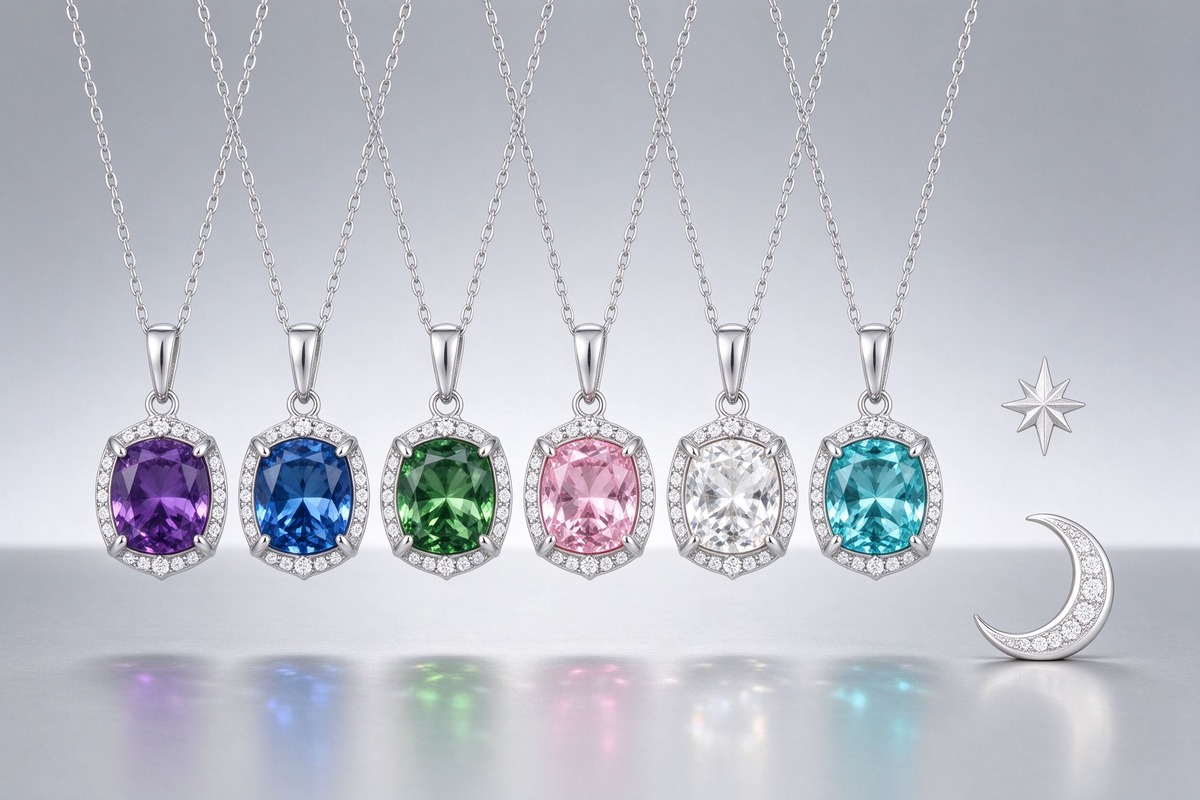
Most jewelry competes on design and price. Birthstone and zodiac pieces compete on something harder to copy: meaning. A stone can stand for a birth month; a symbol can stand for a sign, a personality, a self-image. That is why these categories keep selling long after a trend color fades.
The evidence is unusually consistent — and the inventory problem is unusually predictable. Both matter before you place an order.
The Evidence: Two Different Kinds of Signal
Birthstones are a stated preference. 65% of U.S. consumers actively look for jewelry designs that include a birthstone — a survey-based preference figure, not a sales ranking.
Zodiac is a search trend. Etsy's own trend reporting showed zodiac jewelry searches up roughly 400% — platform search growth, which reflects rising interest rather than units sold.
The two numbers say different things: birthstones have broad, steady demand; zodiac has fast-rising attention, especially on social and marketplace platforms. Neither tells you which specific sign or stone to overstock.
Why Birthstones Keep Selling
A calendar built into the product. Twelve months create twelve natural selling moments — birthdays, Mother's Day, anniversaries, graduations. A birthstone line does not depend on one season; it has a reason to be promoted every month of the year.
Personalization without customization. The customer is not designing a piece from scratch — they are choosing their month. That is enough emotional ownership to justify a gift purchase, while keeping production repeatable.
Add-on behavior. Birthstone pieces are commonly bought in multiples: one for a partner, one for a child, one for a parent. That lifts units per order without discounting.
Stone selection still matters. Within the broader gemstone preference data, amethyst (27%), turquoise (25%) and moonstone (17%) lead — useful as a starting palette for the months those stones represent, rather than as proof of which birthstone sells best.
Why Zodiac Keeps Gaining Attention
Identity is shareable. A zodiac piece is a statement about the wearer — which makes it natural content on social platforms. Customers post it, tag it, gift it to friends born under the same sign.
A younger entry point. Zodiac themes tend to attract customers who want meaning-led jewelry at a lower commitment than fine-gemstone pieces. That makes copper and crystal a natural testing ground before moving a winning design into 925 silver.
Endless re-skinning. The same pendant shape can carry twelve symbols, which supports a full collection from one base design — efficient on the production side, if the matrix is controlled.
The SKU Trap: 12 × 12 Is Not a Strategy
The math looks simple and gets expensive fast. Twelve birthstones, twelve zodiac signs, two metal lines, three finishes and a few silhouettes can turn into hundreds of SKUs — each one needing a sample, a photo, a listing and a stocking decision.
The usual failure is not "the style did not sell." It is "we spread 300 pieces across 40 variants and had nothing left to reorder."
A workable rule: launch a deliberately narrow first matrix — a handful of months and a handful of signs in one or two silhouettes — then expand only what sells through.
Birthstone vs Zodiac at a Glance
| Dimension | Birthstone | Zodiac |
|---|---|---|
| Signal type | Stated preference (65%) | Search growth (+400% on Etsy) |
| Buying occasion | Birthdays, family gifting, anniversaries | Self-purchase, friendship gifting, social content |
| Customer | Broad age range, gift-driven | Younger, identity-driven |
| Matrix size | 12 stones × silhouettes × metals | 12 signs × silhouettes × metals |
| Best entry metal | 925 silver, 20+ per design | Copper 100+ to test, silver to scale |
| Main risk | Dead stock in slow months | Symbol errors and over-expansion |
A Sensible First Order
For a first meaning-led drop, keep the matrix small enough to reorder:
Birthstone: 4–6 months in one pendant silhouette, using stones with strong preference (amethyst, turquoise, moonstone) where they map to a month — 20+ pieces per design in 925 silver.
Zodiac: 4–6 signs in one charm or pendant shape — test in copper at 100+ pieces, then move the winners into silver.
One silhouette, two lines. Reusing the same shape across stones and symbols keeps photography, packaging and QC repeatable while the customer still feels a personal choice.
What Production Changes
Meaning-led lines are SKU-heavy, so the pressure sits in sampling and consistency rather than in any single piece. Sampling runs about 4–7 days at roughly three pieces per design; 925 silver bulk production is typically 12–15 days at 20+ pieces per design; copper runs 100+ pieces with production usually inside 7 days.
Two QC points matter more than usual here: stone consistency (a birthstone line is judged by color match across pieces) and symbol accuracy (a zodiac charm with the wrong symbol is a return, not a minor defect). Both should be checked against the approved sample before packing.
Meaning is the reason these pieces sell. Matrix discipline is the reason they stay profitable.
Planning a birthstone or zodiac drop?
Tell us the months, signs and silhouette — we will quote the matrix before you commit.
Send Your Inquiry