
Blogs
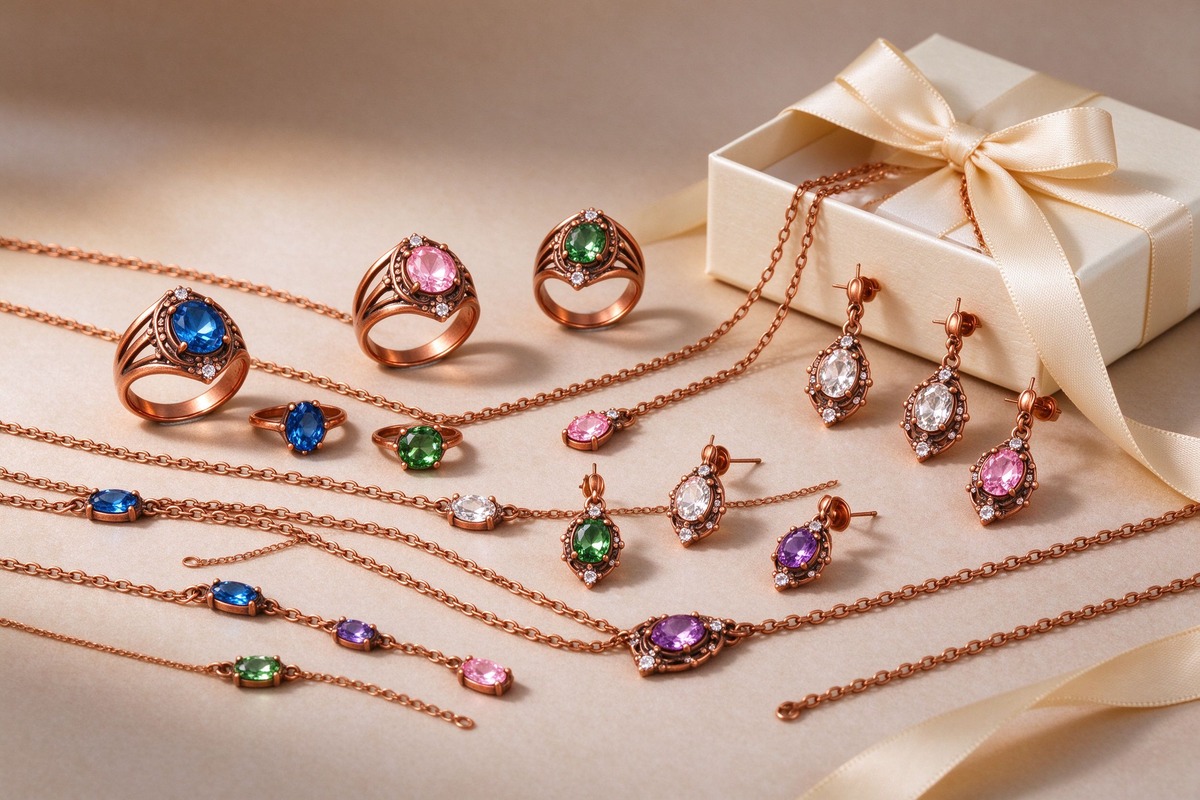
Why Copper & Crystal Works for Fast-Fashion and Gift Lines
Copper and crystal is not "cheap silver" — it is a different commercial tool. Here is where it wins, what it costs, and the three jobs it does better than any precious-metal line.
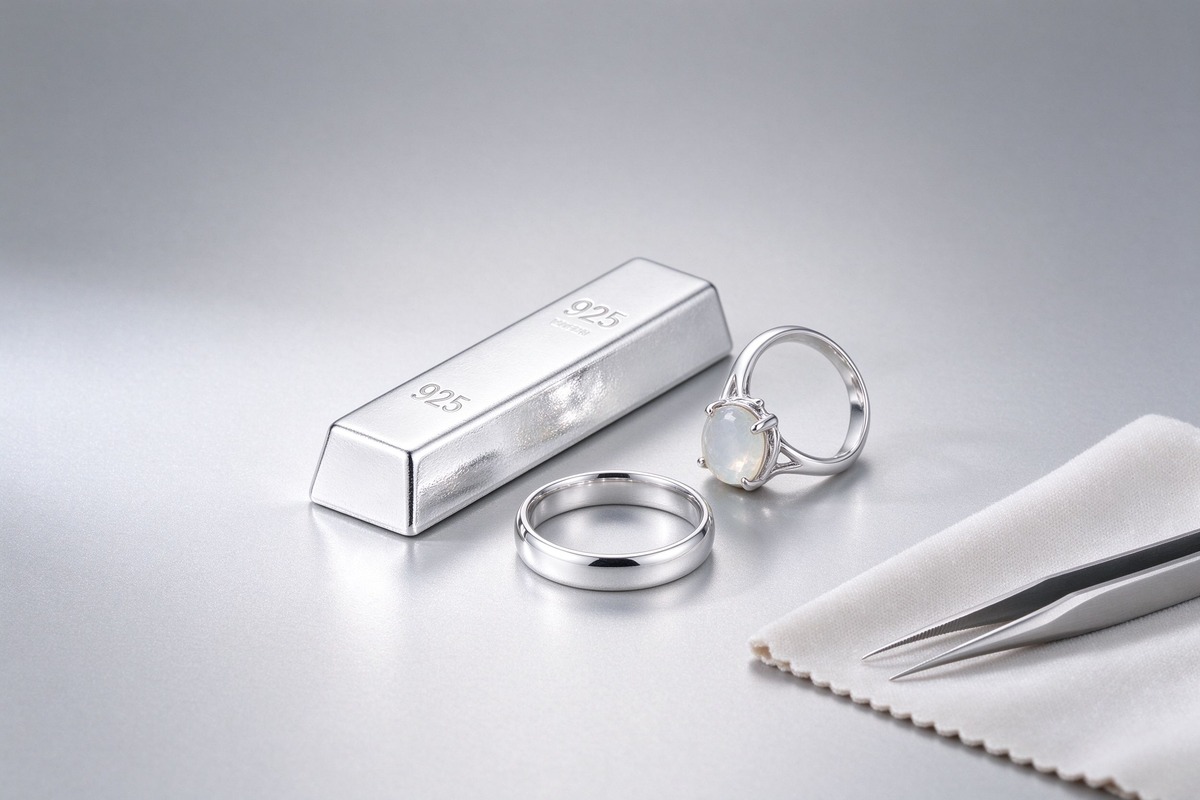
925 Sterling Silver Basics: What "S925" Really Means for Wholesale
"S925" is on almost every silver jewelry listing — but few buyers know what the other 7.5% does. Here is what the mark means, what to check on a wholesale order, and where sterling stops being the right material.
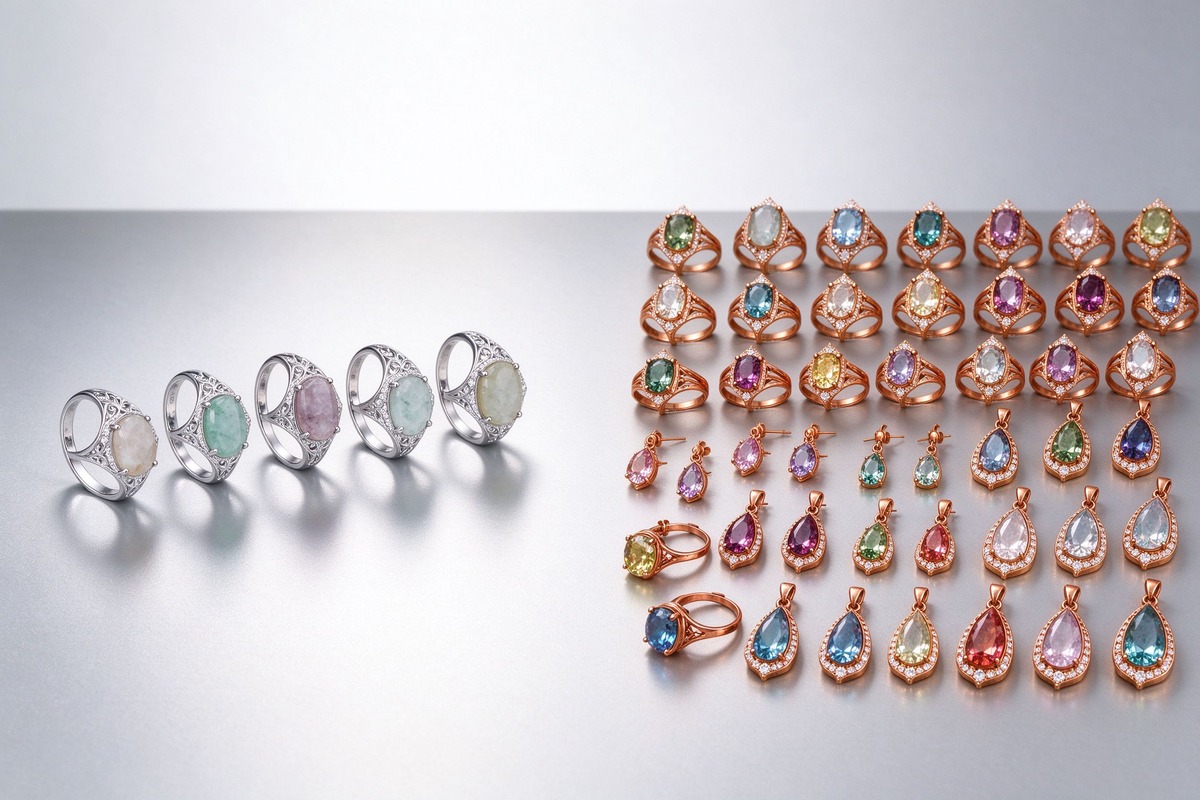
MOQs Explained: 20+ vs 100+ — What It Means for Your First Order
Not sure how many pieces to order? Here's what our 20+ (925 silver) and 100+ (copper) MOQs mean for your first order, your budget and your product mix.
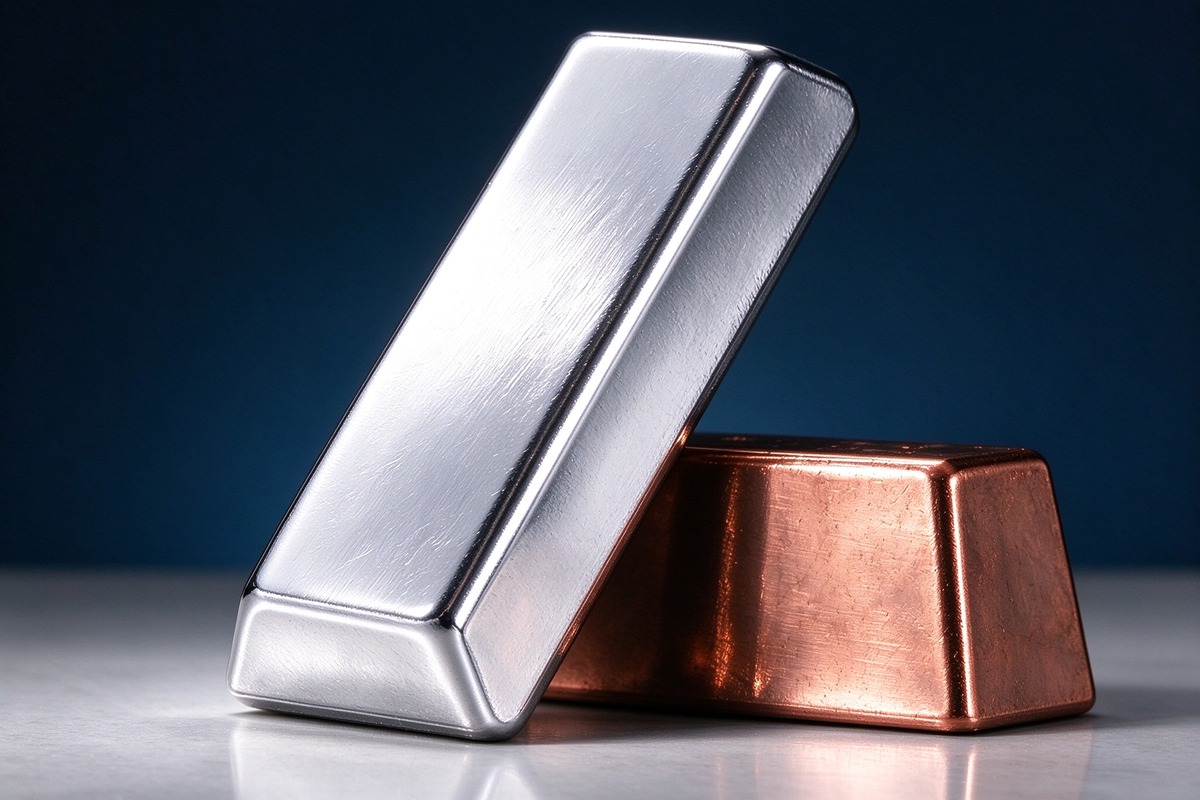
925 Sterling Silver vs. Copper: A Material Guide for Wholesale Jewelry Buyers
Not sure whether to stock 925 sterling silver or copper? This guide compares both lines on cost, durability and ordering terms — and shows you how to combine them.
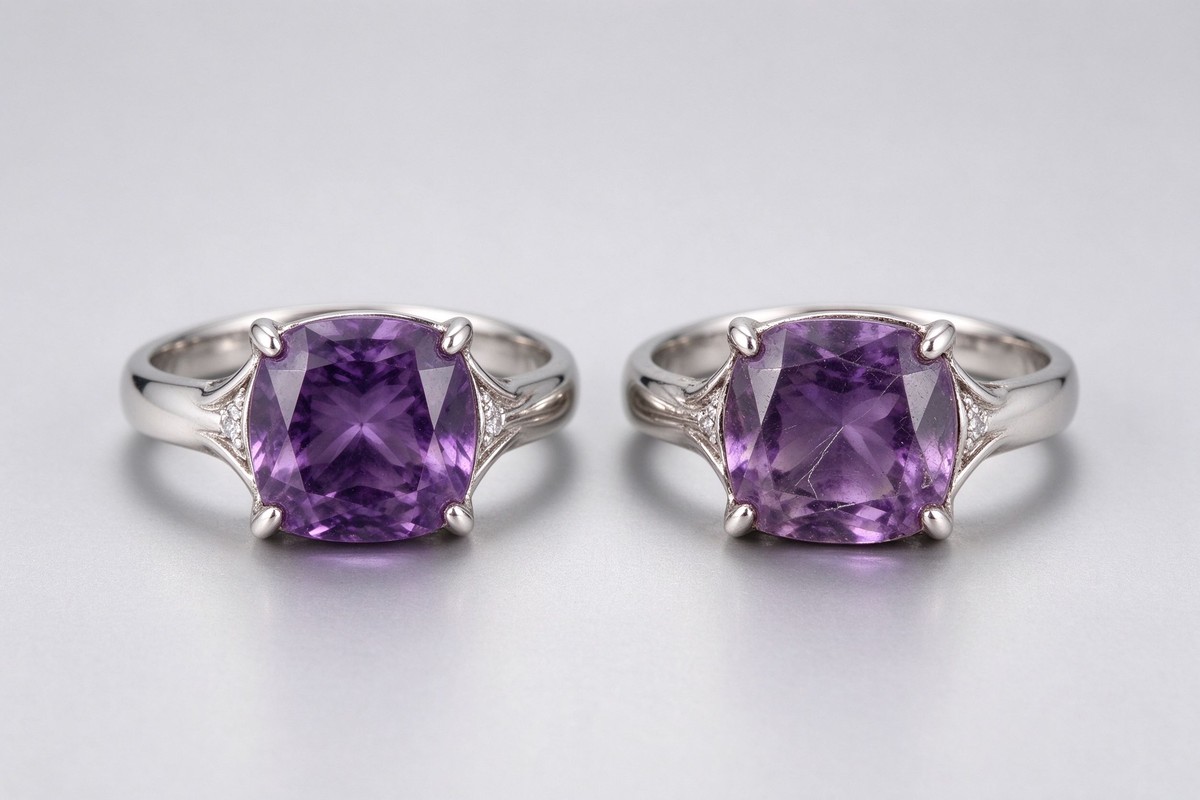
Why Your Sample Looks Better Than Bulk: 5 Places Quality Drifts
Same design, two outcomes. The difference between a sample and a bulk batch is usually measured in tenths of a millimeter.
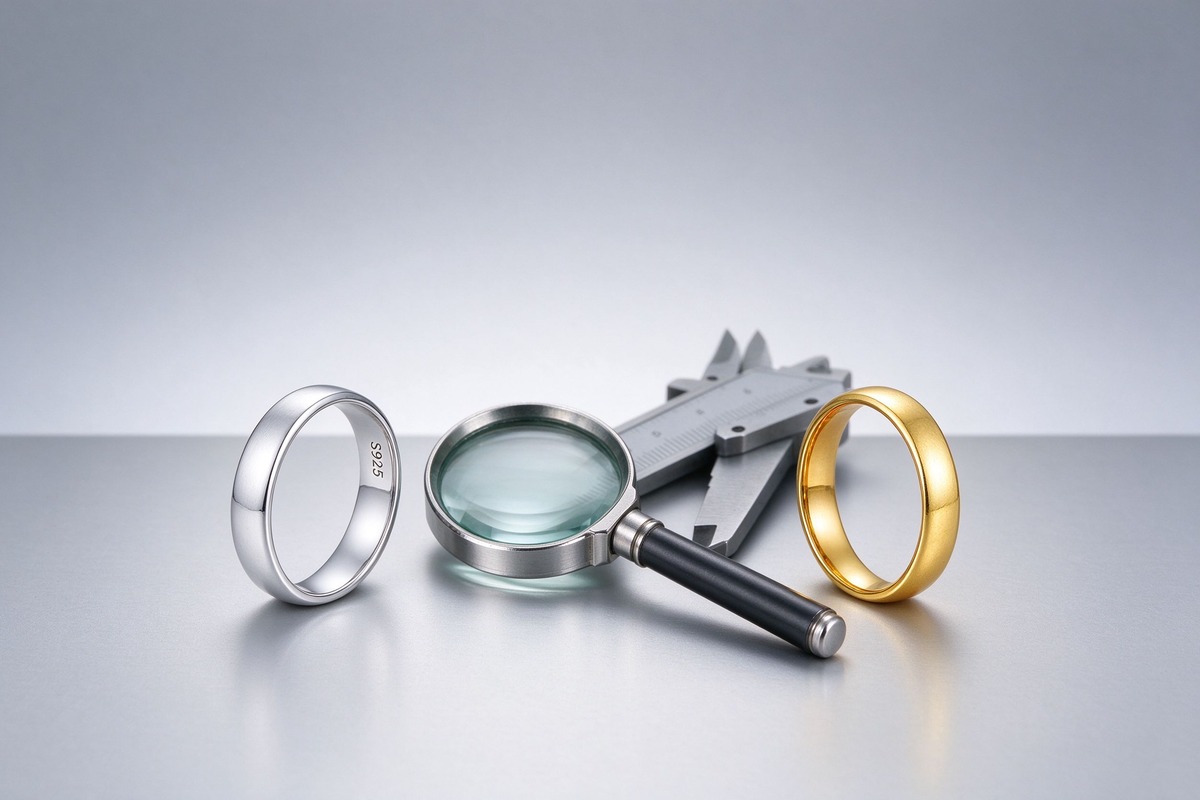
Hypoallergenic & Plating: What to Check Before You Stock
Most returns in fashion jewelry trace back to two things: what is under the plating, and how thick the plating is. Here is the checklist we use before a batch ships.
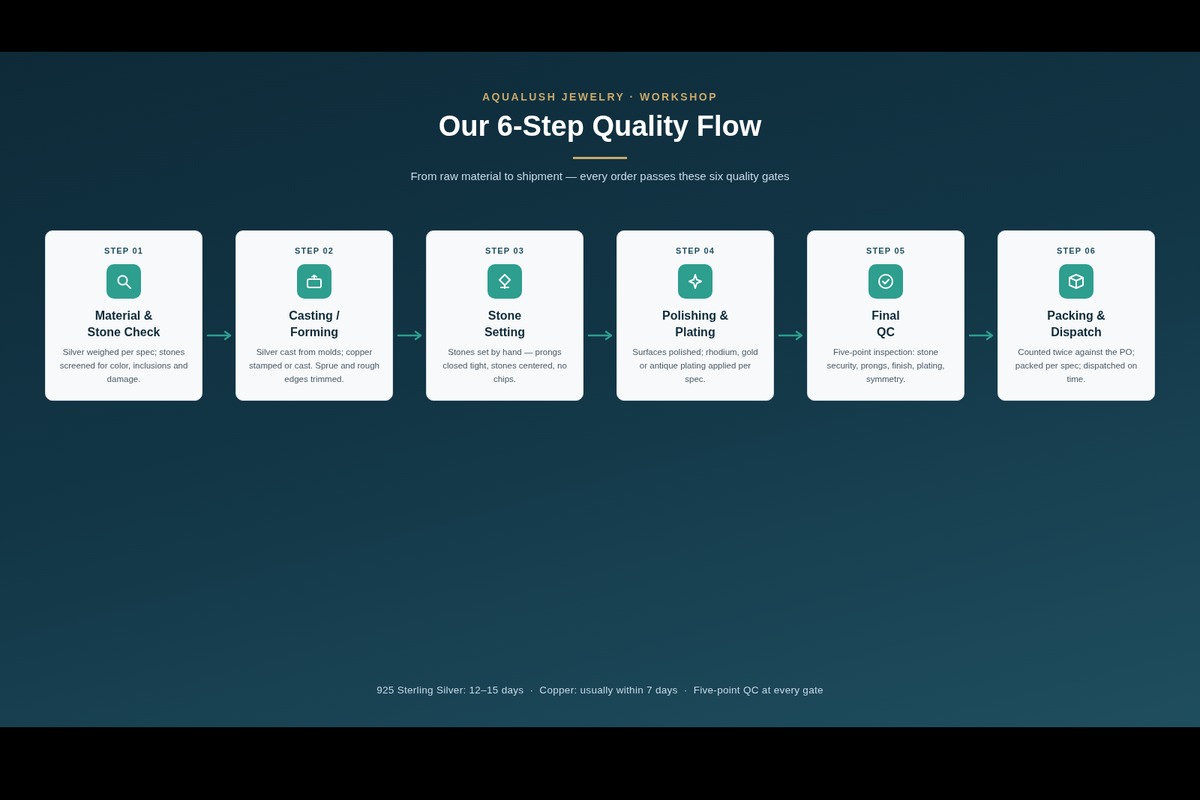
From Raw Material to Shipment: Our 6-Step Quality Flow
Follow a piece from raw material to shipment: casting, setting, plating, QC — the 6 quality gates every order passes at our workshop.
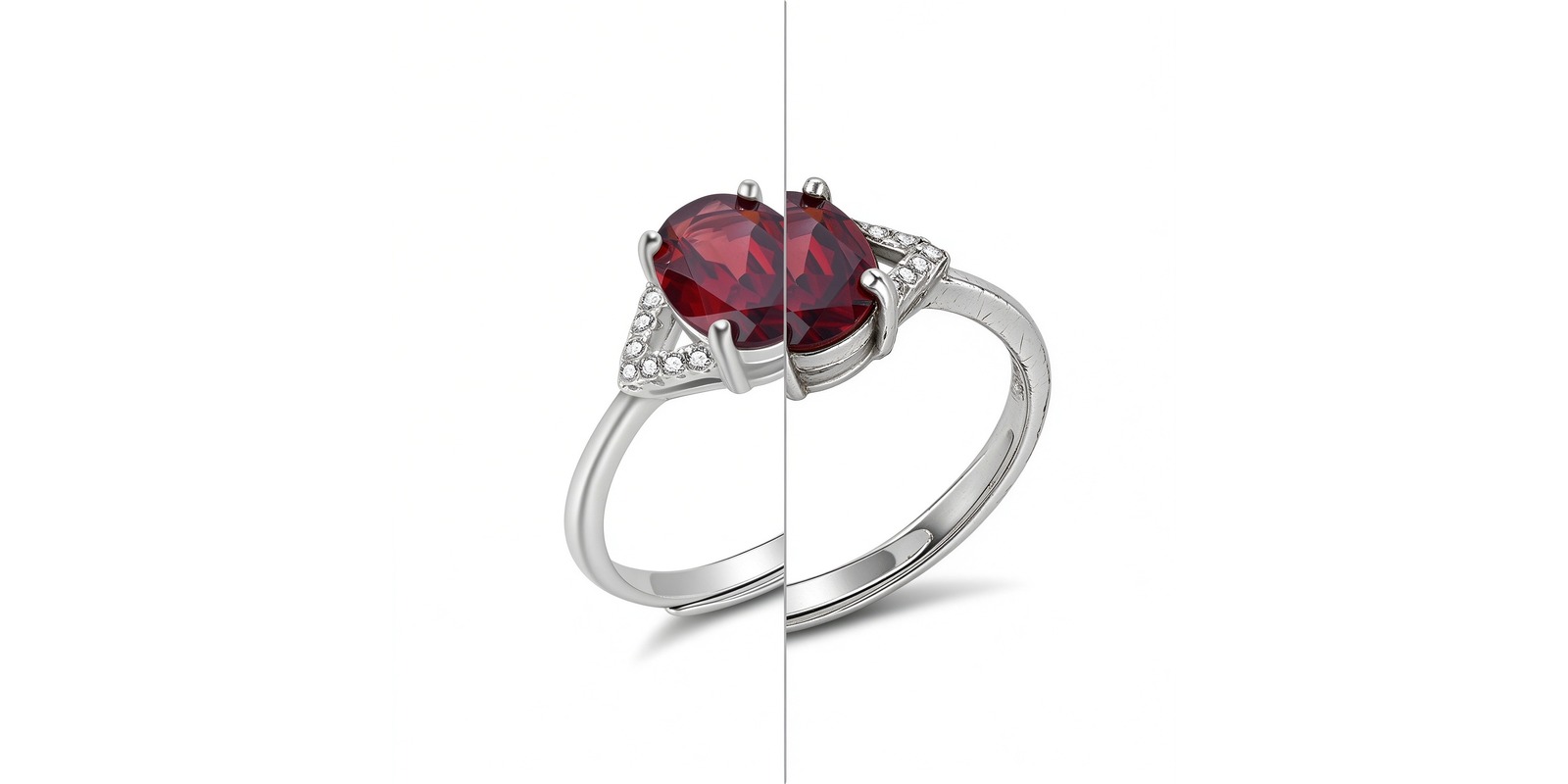
Good Craftsmanship vs. Common Defects: How to Check Stone-Setting Quality
What separates clean, secure stone setting from defects that cause returns? Visual checklist + photos comparing good craftsmanship vs. common setting flaws.
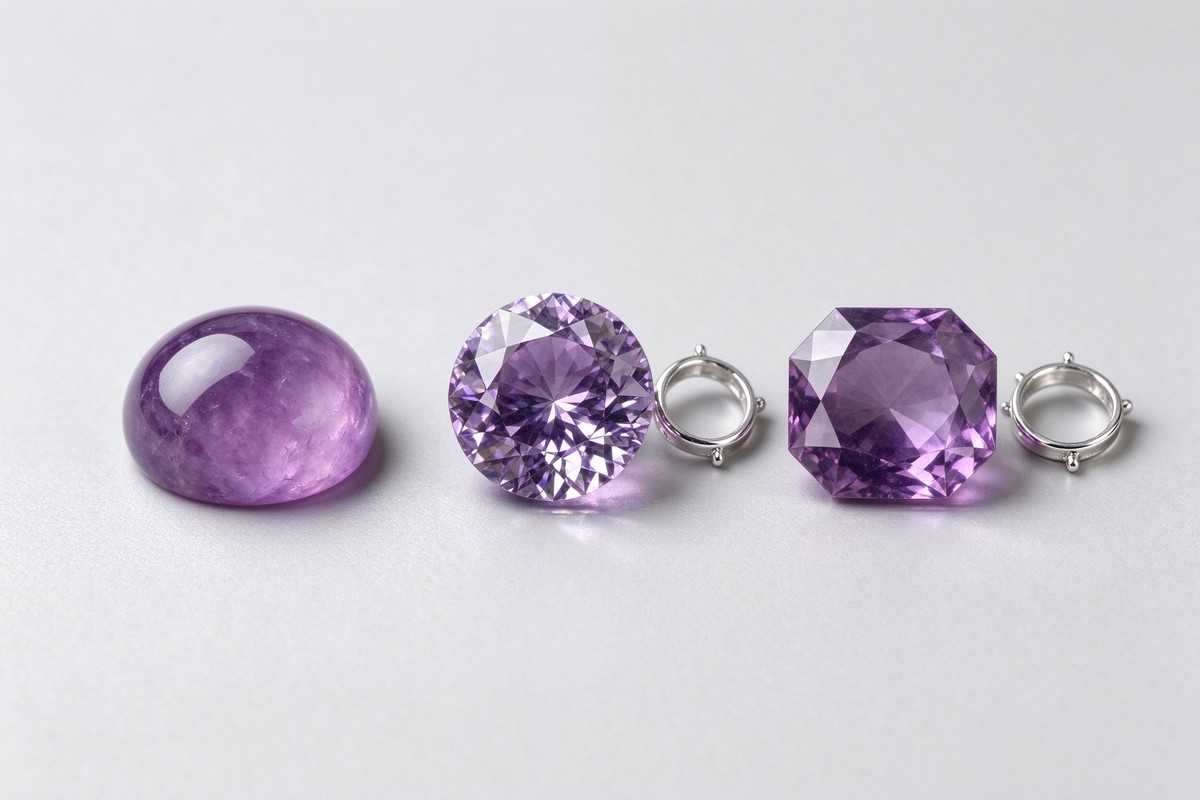
Cabochon, Faceted or Rose Cut: Which Stone Cut Sells
One rough stone, three cuts. Cabochon, faceted and rose cut each change what the customer sees, what the stone costs, and which setting can hold it.
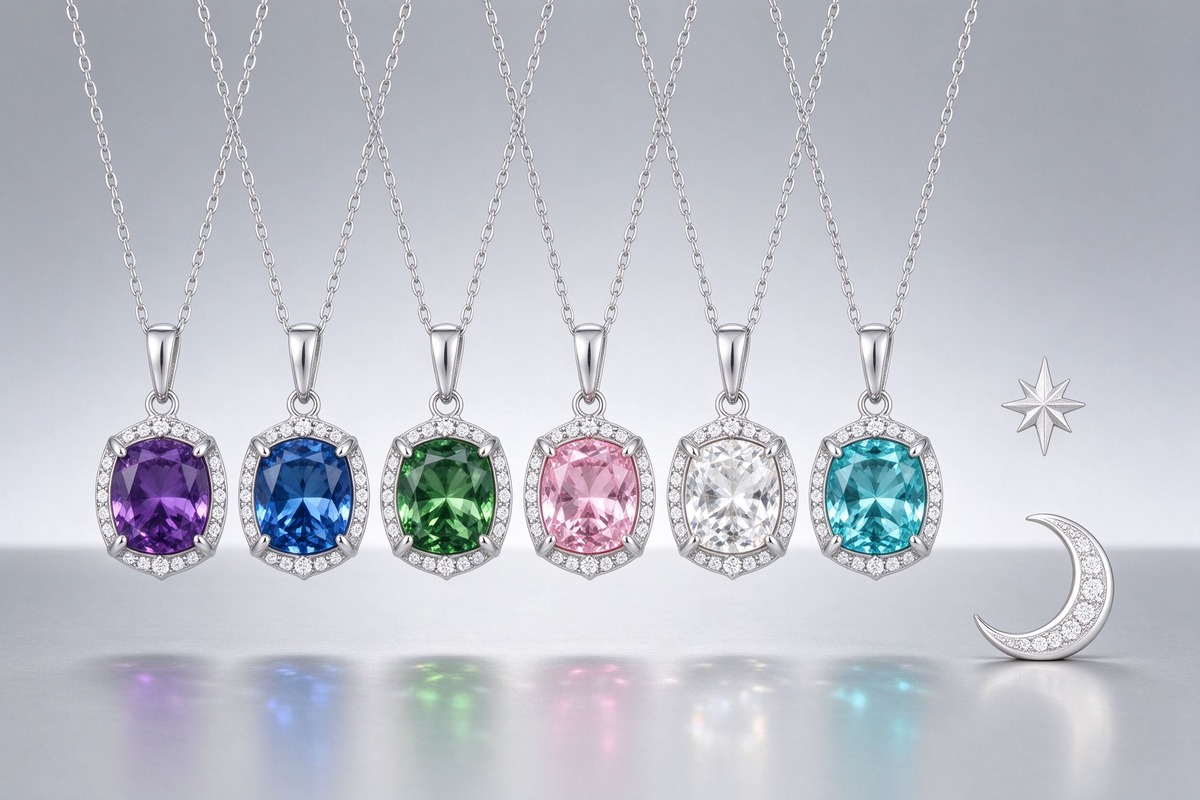
Birthstones & Zodiac Jewelry: Why "Meaning" Keeps Selling
Birthstone and zodiac pieces sell because they carry a person, a date or an identity. Here is the evidence, the SKU trap, and a sensible way to start the matrix.
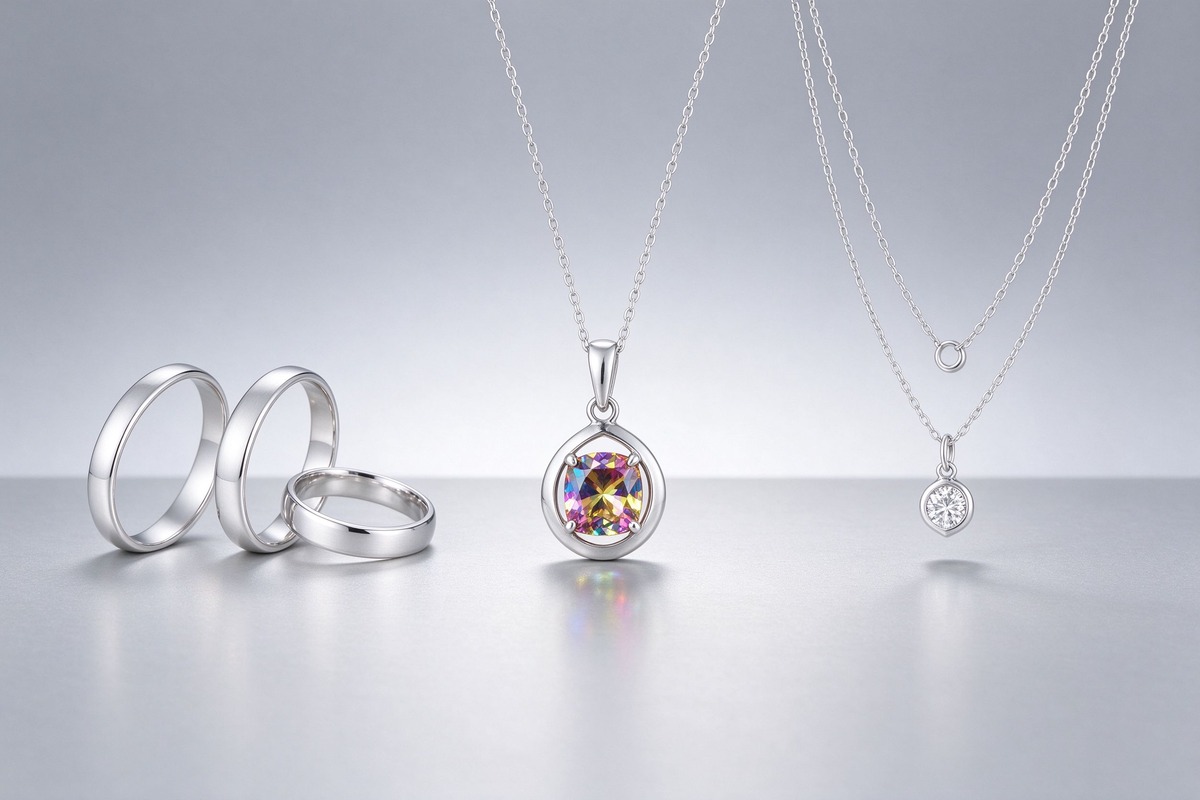
Minimalist, Sentimental or Layering: Which Style Should Your Brand Stock?
Three styles, three different jobs. Here is the evidence behind each — and how to split a first order between them instead of betting everything on one look.
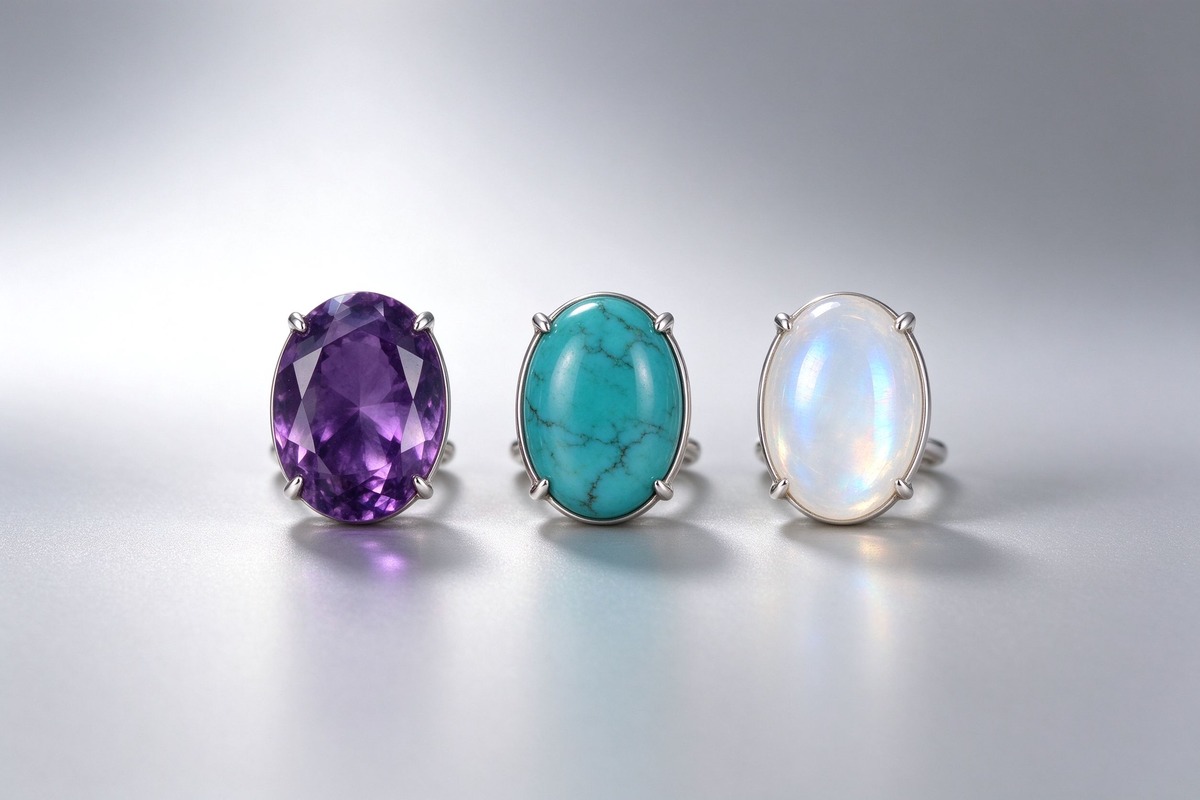
Which Semi-Precious Stones Do U.S. Buyers Want Most in 2026?
Which stones should your 2026 buying plan lead with? U.S. consumer preference data on amethyst, turquoise and moonstone — plus what it means for your product mix.
A 90-Day First Order Timeline: From Inquiry to Reorder
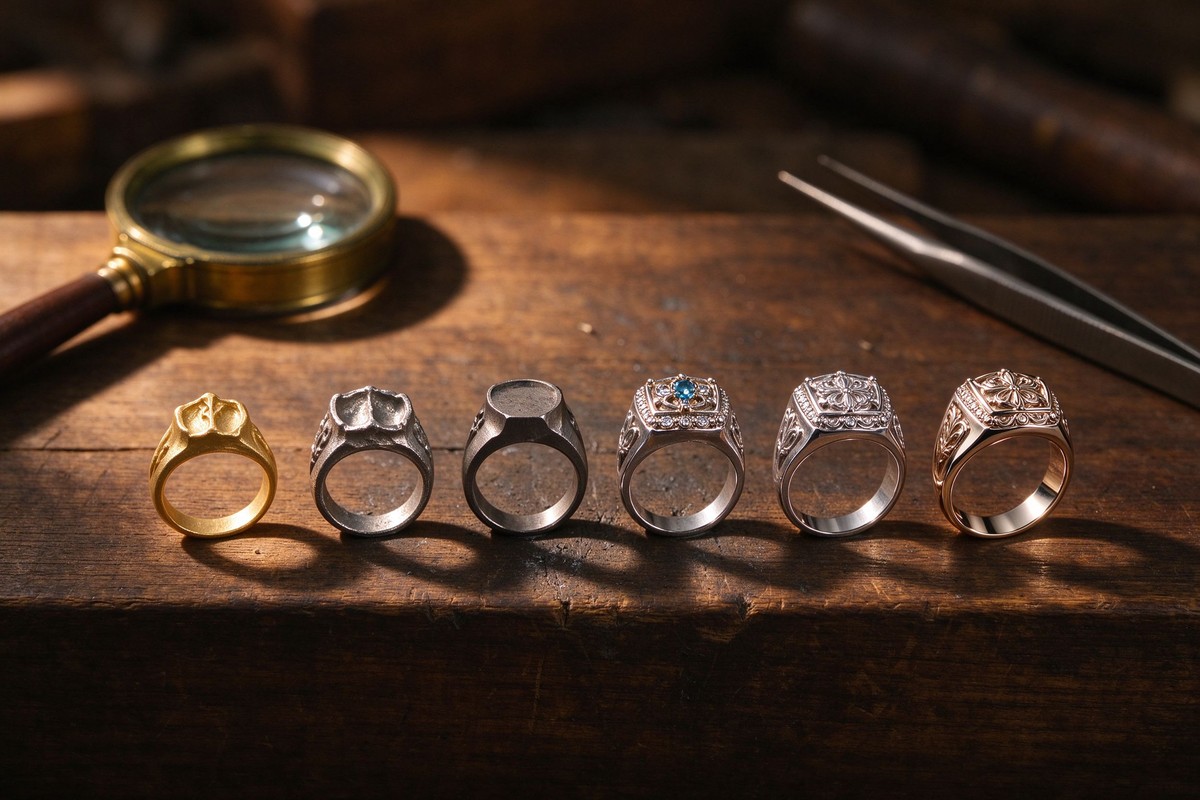
Most first orders run late because decisions arrive in the wrong order, not because the factory is slow. A dated 90-day path from inquiry to reorder.
Workshop vs. Trading Company: A B2B Buyer's Guide
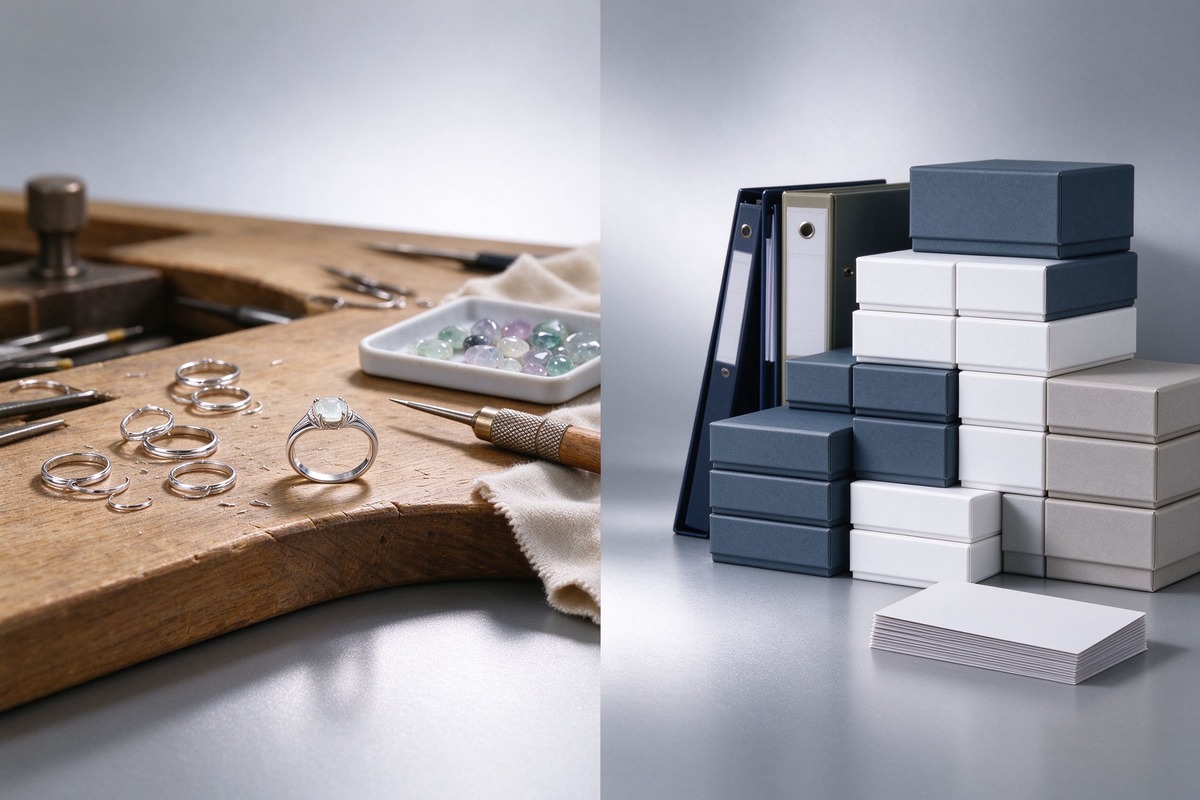
Buying from a workshop and buying from a trading company are two different business models, not two price lists. Here is how to tell them apart — and which one fits your order.
From Sketch to Sample: How a Custom Jewelry Order Actually Works
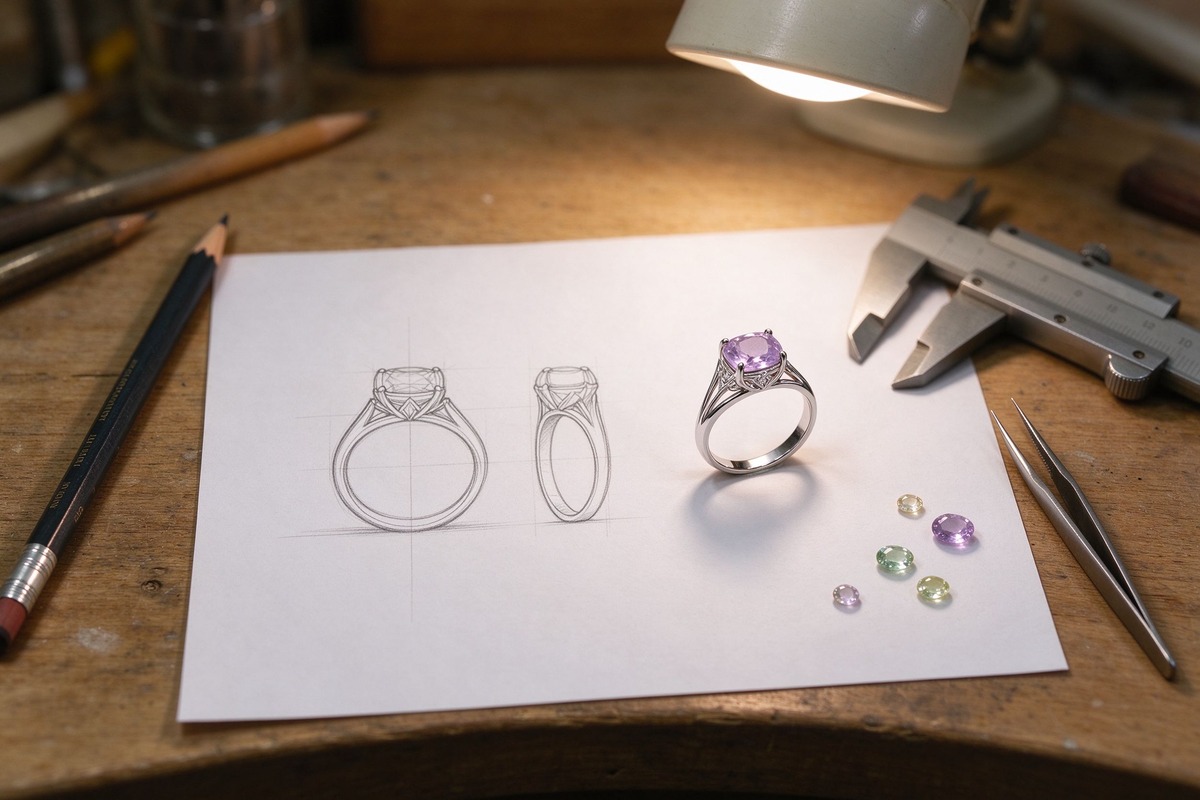
A custom jewelry order has six stages and four approval gates. Here is exactly what happens from your first sketch to the finished batch — and what you sign off at each step.
Why Source Directly from Meilong: Our Workshop, No Middleman
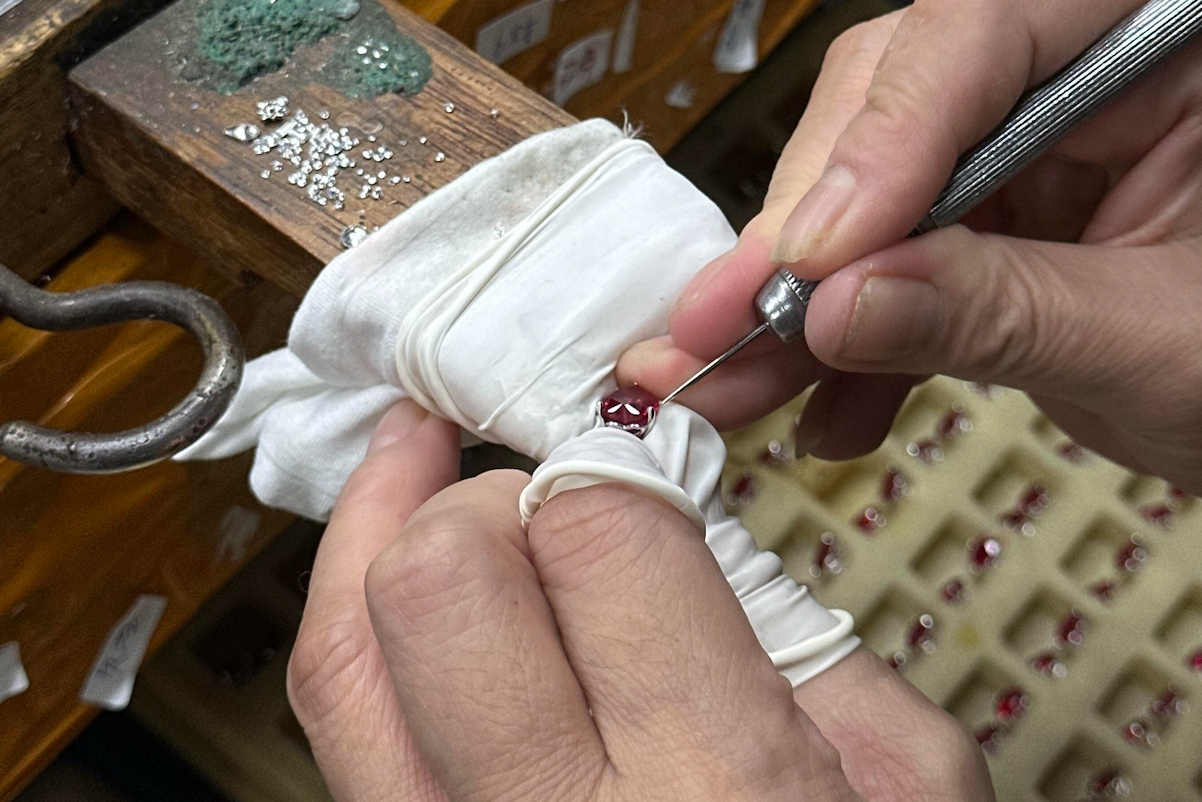
We run our own production workshop in Meilong, China. Export orders settle through our licensed trade entity — you work directly with the makers, no middleman.