
Good Craftsmanship vs. Common Defects: How to Check Stone-Setting Quality
Stone setting is where most of the visible quality of a jewelry piece is decided. But for overseas buyers working from listings, it is also the hardest detail to judge — because a small defect in alignment, prong work or surface finish rarely shows up in product photos.
Why Stone-Setting Quality Matters
For customized jewelry, the quality of a finished piece is influenced by more than the base material alone. Structure, setting, polishing, surface condition and final inspection all affect how the finished jewelry looks and performs. In stone-setting pieces, the setting work is the point where the stone meets the metal — and where most quality issues either appear or are avoided.
Good Craftsmanship vs. Common Defects
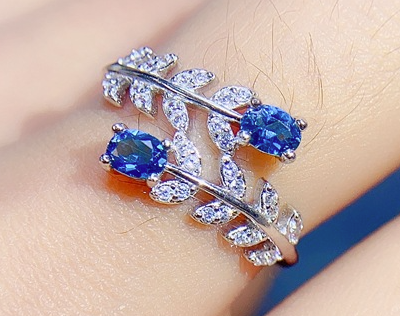
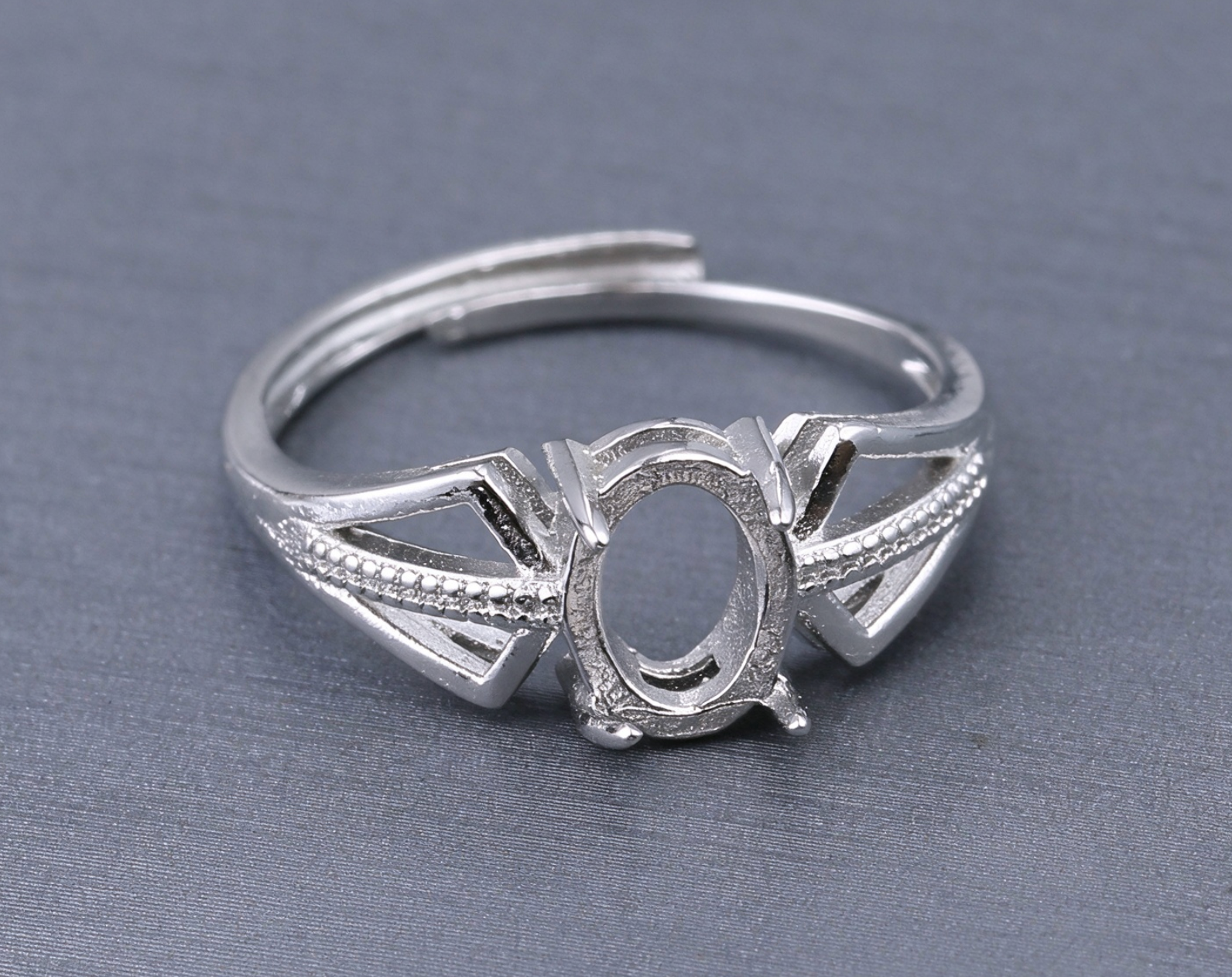
Real close-up photos can help you understand the quality details that are difficult to judge from product listings alone. Compare the two below:
Four Details That Shape the Final Product
Before approving a sample or starting bulk production, check these four details on the finished piece:
- Clean Edges — Product edges and transitions should look controlled and finished, without rough or uneven borders.
- Stable Stones — Setting should provide appropriate stability and visual alignment, with no looseness or tilting.
- Consistent Surface — Polishing and visible surface condition should remain consistent across the piece.
- Final Appearance — Finished jewelry is checked again before packing and shipment, matching the approved sample.
Five Quick Checks for Stone Setting
If you are reviewing a sample or a QC photo, run through these five checks:
- Stone alignment — Is each stone level and evenly placed in its setting?
- Setting stability — Are prongs or claws holding the stone firmly without movement?
- Claw and edge detail — Are the claws neat, symmetrical and properly closed?
- Polishing consistency — Is the surface finish even, without visible scratches or marks?
- Overall visual consistency — Does the piece match the confirmed sample appearance as a whole?
How We Check Each Stage
We do not rely only on a last-minute inspection. Each production stage is checked in sequence: prototype review before production, setting inspection, plating check, surface inspection, and a final QC before packing and shipment.
For 925 sterling silver pieces, bulk orders are typically completed within 12–15 days (MOQ from 20 pieces). If you are planning a custom collection and want to review stone-setting details before bulk production, send us your design or reference images — we will confirm the details that matter most to your line.
Have specific craftsmanship requirements?
Send us your design or reference images and tell us which details matter most to your collection. We will confirm sample appearance before bulk production.